
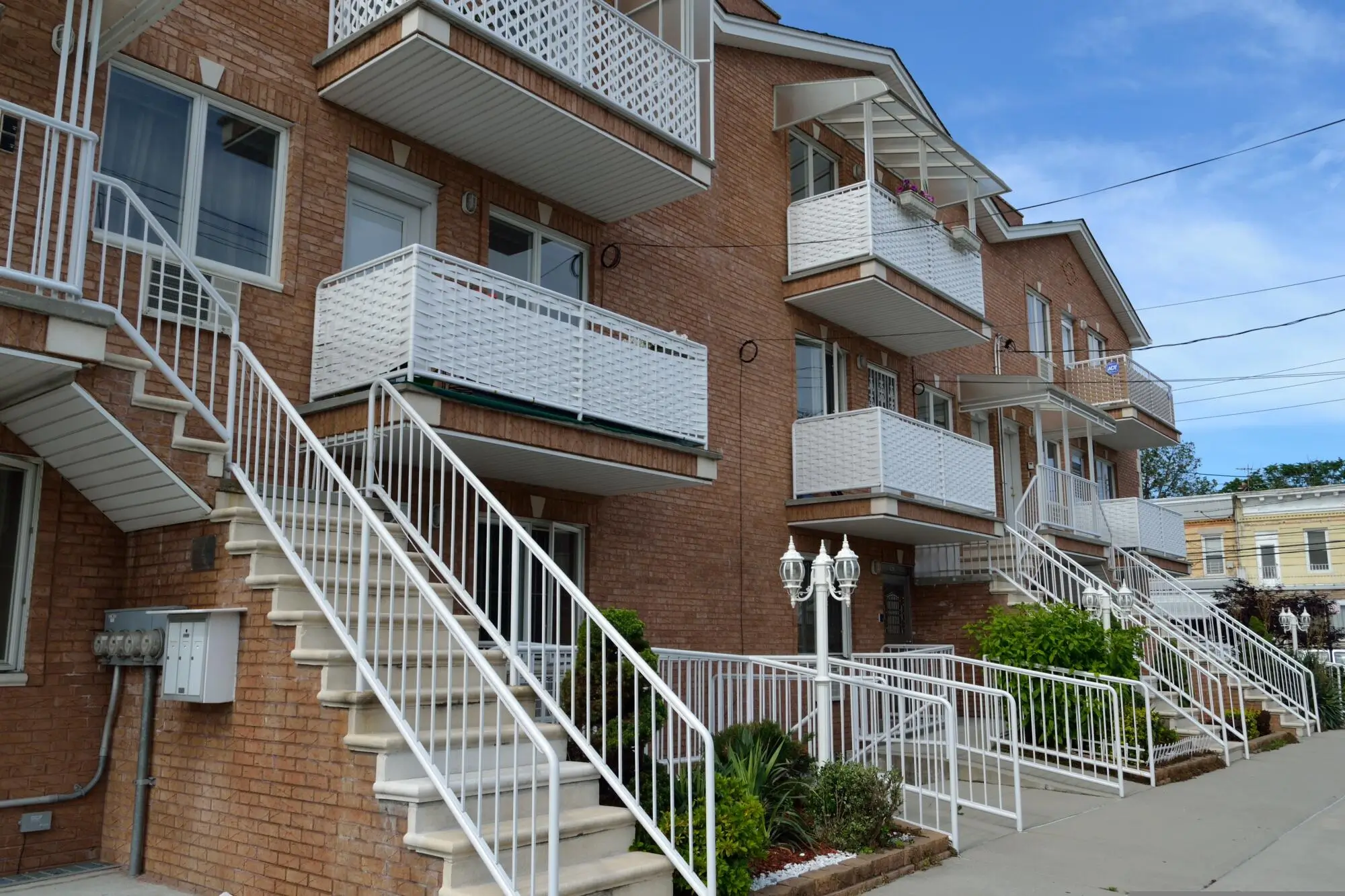
Landlords in St. Louis, MO can determine appropriate rental increases by analyzing local market trends, complying with Missouri landlord-tenant laws, reviewing property expenses, and communicating changes clearly and legally to tenants.
Rising property costs and shifting demand in St. Louis have many landlords wondering how to raise rent without losing good tenants or risking legal issues. Setting the wrong increase can hurt occupancy, cash flow, and long-term investment performance.
A well-planned rental increase isn't guesswork; it's a strategic decision based on local market data, operating costs, and Missouri landlord-tenant laws. When done correctly, it protects your income while keeping your property competitive in the St. Louis rental market.
How Does the St. Louis Rental Market Affect Rent Increases?
The St. Louis rental market varies widely by neighborhood, property type, and proximity to employment hubs, universities, and transit corridors. Areas like Central West End, Clayton, and Tower Grove often command higher rents due to walkability, amenities, and demand, while outer neighborhoods may be more price-sensitive. Understanding hyper-local trends is essential because citywide averages rarely reflect what tenants are willing to pay on a specific block or zip code.
Seasonality also plays a role in pricing strategy, with stronger demand typically appearing in late spring and summer when job relocations and household moves peak. Economic factors such as interest rates, housing supply constraints, and population shifts further influence rent ceilings. Landlords who track local demand patterns and comparable listings are better positioned to set increases that remain competitive without triggering unnecessary vacancies.
What Missouri Laws Govern Rent Increases in St. Louis?
Missouri does not impose statewide rent control, which gives landlords flexibility to raise rent as market conditions change. However, increases must follow the terms of the lease agreement, meaning rent cannot be raised mid-lease unless the lease explicitly allows it. Lease structure determines when and how rent adjustments are allowed.
For month-to-month leases, landlords are required to provide proper written notice before increasing rent, typically at least 30 days. Rent increases also cannot be retaliatory or discriminatory under fair housing laws. Legal compliance protects landlords from disputes and costly penalties.
How Can Landlords Analyze Comparable Rental Properties in St. Louis?
Using rent comps effectively starts with identifying recently rented properties -- not just active listings -- that closely match your unit's size, layout, and lease terms. Focus on rentals within the same neighborhood or nearby zip codes to capture realistic pricing expectations. Accurate comps reflect what tenants are actually paying, not just what landlords hope to charge.
Evaluating unit features, amenities, and overall condition is equally important when comparing properties. Updated kitchens, in-unit laundry, parking, and outdoor space can justify higher rent, while dated finishes may require more conservative pricing. Amenities and property condition directly influence perceived value and should be weighed carefully against each comp.
Adjusting comps for location and property type helps fine-tune your final rent decision. A single-family home, duplex, or apartment unit may attract different tenant profiles even within the same area, and proximity to transit, schools, or commercial centers can shift demand. Smart adjustments ensure your rent aligns with true market positioning rather than surface-level comparisons.
How Do Operating Costs Influence Rental Increases?
Calculating your true operating costs starts with reviewing recurring expenses such as property taxes, insurance premiums, utilities, maintenance, and property management fees. In St. Louis, rising taxes and insurance rates can quietly erode margins if rents stay flat. Rental increases should reflect real cost growth, not just market opportunity.
Landlords should also account for inflation-driven vendor price increases and long-term capital expenses like roof replacements or HVAC systems. Planning ahead helps prevent sudden financial strain or deferred maintenance. Sustainable rent pricing protects both property condition and long-term cash flow.
Choosing a Fair and Competitive Rent Increase in St. Louis
Choosing a fair rent increase means balancing current market rates with tenant retention and long-term profitability. In St. Louis, modest percentage increases are often more sustainable than sharp jumps that risk turnover and vacancy costs. Consistency and reasonableness help preserve stable occupancy.
Landlords should also consider tenant history, payment reliability, and length of stay when finalizing an increase. Retaining a good tenant at slightly below peak market rent can outperform frequent turnover. Smart pricing decisions prioritize net income over short-term gains.
Timing Rental Increases for Maximum Effectiveness
Timing plays a major role in how tenants respond to a rent increase. In St. Louis, demand is typically stronger in late spring and summer, making these periods more favorable for rent adjustments tied to lease renewals. Raising rent when demand is high reduces vacancy risk.
Landlords should also align increases with lease expiration dates and avoid off-season hikes that may prompt tenants to leave. Planning increases well in advance allows for proper notice and smoother transitions. Strategic timing supports higher acceptance and steadier cash flow.
FAQs About Rental Increases in St. Louis, MO
How Often Can Landlords Raise Rent in St. Louis?
Landlords can raise rent at lease renewal as long as proper notice is provided and the lease terms allow it. Lease structure controls the timing of rent changes.
Is There Rent Control in Missouri?
Missouri does not have rent control laws, so there is no legal cap on rent increases. Market conditions and tenant retention set the real limits.
Can Rent Be Increased During an Active Lease?
Rent cannot be increased mid-lease unless the lease includes a rent escalation clause. Written lease terms always take priority.
How Much Notice Is Required for a Rent Increase?
Month-to-month tenants generally must receive at least 30 days' written notice before a rent increase takes effect. Proper notice reduces disputes and compliance risk.
What Happens If a Tenant Refuses a Rent Increase?
If a tenant declines the increase, they may choose not to renew the lease at the end of the term. Clear communication helps minimize turnover and confusion.
Make Informed Rental Decisions With West End Management
Setting rent increases in St. Louis doesn't have to be guesswork. By analyzing local market trends, understanding Missouri law, reviewing true operating costs, and comparing accurate rent comps, landlords can confidently price their properties for profitability and tenant satisfaction.
As a trusted, family-run property management firm with deep roots in the St. Louis community, West End Management brings decades of experience, local market insight, and reliable service to every landlord partnership. Whether you need help with market analysis, lease compliance, or tenant communication, our dedicated team ensures your rental properties perform at their best.
Partner with us to maximize your returns with integrity and expertise.